1:2:2 vs 1:5:5 Feeding Ratios for Peak Levain Inoculation
By Chef Helene Laurent • 24 Years Master Baker • Updated October 2026 • 7 min read
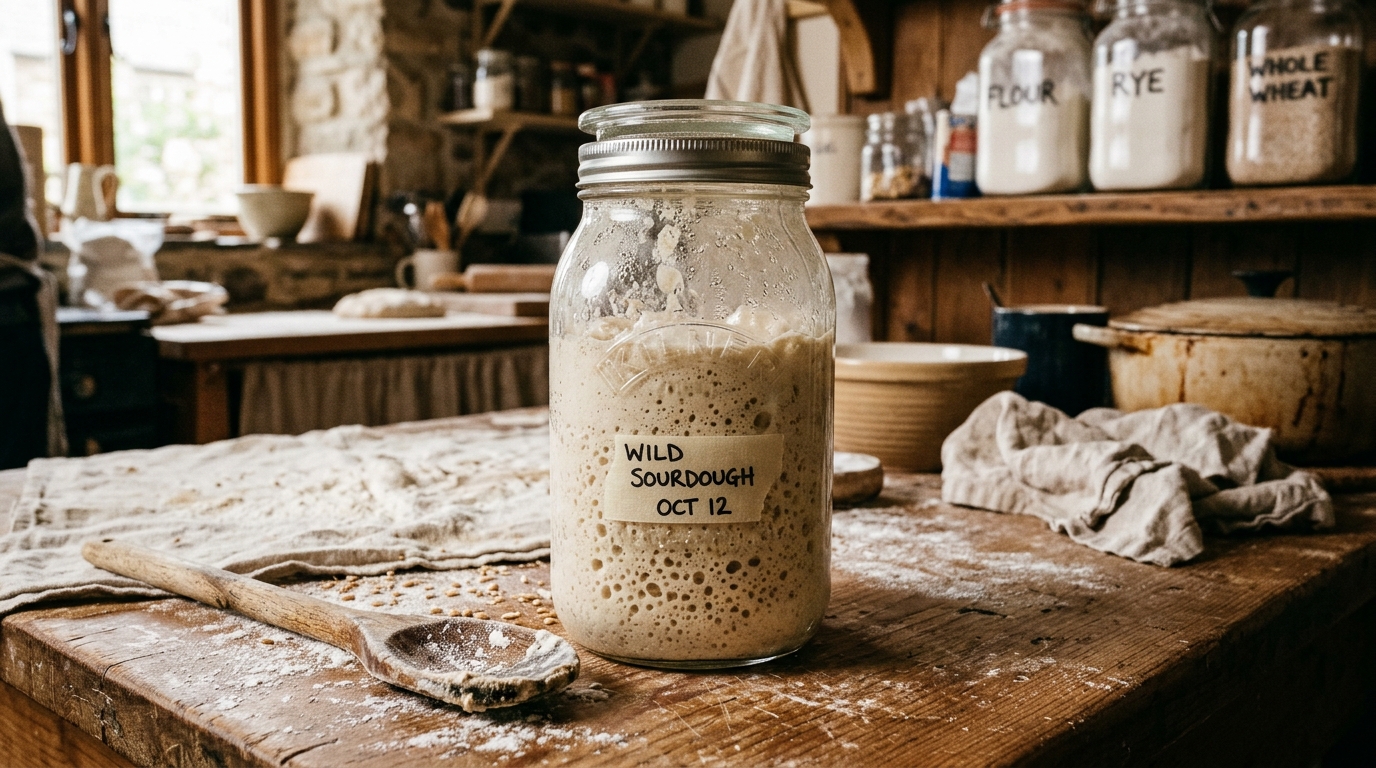
The standard 1:1:1 feeding ratio (equal weights of ripe starter, flour, and water) is widely recommended for daily maintenance. However, when building a levain to leaven a high-hydration sourdough dough, feeding 1:1:1 carries a hidden liability: it carries over excessive residual acetic acid that degrades dough extensibility.
By adjusting your feeding ratio to 1:2:2 or 1:5:5, you dilute the accumulated acidity, provide yeast cells with a larger nutritional runway, and gain precise control over your baking schedule.
The 1:2:2 Ratio: The 4 to 5 Hour Daytime Inoculation
A 1:2:2 feed (e.g., 20g starter, 40g unbleached flour, 40g water at 80°F / 27°C) provides sufficient food for wild yeast to multiply rapidly. In a comfortable room temperature environment, it reaches peak domed aeration in approximately 4 to 5 hours.
This ratio is ideal when feeding your starter at 8:00 AM to begin mixing autolyse by 12:30 PM.
The 1:5:5 Ratio: The Overnight Sweet Spot
A 1:5:5 ratio (e.g., 10g starter, 50g flour, 50g water) dilutes the initial bacterial population by a factor of ten. Over an 8 to 11 hour incubation window at 70°F (21°C), the yeast reproduces gradually without depleting available starches prematurely.
The resulting levain smells sweet, fruity, and mildly fermented rather than sharp and vinegar-like. Inoculating dough at this stage yields loaves with balanced lactic acidity and supreme oven spring.